
How Your Family’s Story Shapes Your Heart Health

Heart Care How Your Family’s Story Shapes Your Heart Health 12 December 2023 Ever wondered how your family’s health history can be a guidebook to keeping your heart in the pink of health? At Medifort Wellness Hospital, we’re here to help you uncover the secrets of your family’s health history. We believe that exploring your family history can be a powerful tool in shaping your cardiovascular health. This can be a game-changer for your heart’s well-being. The Heritage of Health: Our genes play a pivotal role in determining our health, and many medical conditions, including cardiovascular diseases, have a hereditary component. By delving into your family history, you can uncover patterns and predispositions that may influence your risk for various heart conditions. Understanding the hereditary aspects of heart health allows you to take proactive measures to mitigate potential risks and maintain a heart-healthy lifestyle. Identifying Patterns and Predispositions: Take a journey through your family tree to identify any patterns of cardiovascular diseases. Note any instances of heart attacks, strokes, high blood pressure, or other heart-related issues among close relatives. Pay attention not only to the occurrence but also to the age at which these events occurred. Such information can provide valuable insights into your own risk factors. The Importance of Early Detection: At Medifort Hospital, we emphasize the significance of early detection in preventing and managing heart diseases. Armed with knowledge about your family’s health history, you can work collaboratively with our expert cardiologists to establish a personalized preventive care plan. Early detection allows for timely interventions, lifestyle modifications, and, when necessary, medical treatments that can significantly reduce the impact of cardiovascular issues. Tailored Preventive Strategies: Understanding your family history allows our healthcare professionals to tailor preventive strategies to your unique genetic makeup. If certain heart conditions run in your family, we can implement targeted screenings, diagnostic tests, and monitoring protocols to catch potential issues at their earliest stages. Personalized preventive care can have a definitive impact on your life by ensuring your heart remains healthy and resilient. Lifestyle Modifications: Beyond medical interventions, your family history can guide you in making informed lifestyle choices. If your family has a history of high blood pressure, for instance, adopting a heart-healthy diet, engaging in regular exercise, and managing stress become even more critical. Our Cardiology Centre of Excellence at Medifort Hospital can provide you with the necessary guidance to embrace a heart-conscious lifestyle. Empowering Future Generations: By understanding and managing your cardiovascular health based on your family history, you’re not only safeguarding your well-being but also empowering future generations. Your efforts today in preventing and managing cardiovascular conditions can create a ripple effect, positively impacting your family’s future and the future of your future generations.Your family history is a treasure trove of information that can unlock the secrets to your cardiovascular health. At Medifort Wellness Hospital’s Cardiology Centre of Excellence, we encourage you to embark on this journey of self-discovery. Armed with knowledge about your genetic predispositions, you can take proactive steps to protect your heart and the hearts of those you hold dear.Together, let’s build a legacy of heart health that spans generations. Your heart deserves the best – choose Medifort Wellness Hospital for excellence in cardiovascular care. Consult our experts for holistic heart care. Share it : Latest Post How kidney disease can impact your body 26 Feb 2026 Heart Health in Summer: Tips to Keep Your Heart Safe from Heatwaves 23 Feb 2026 Best Child Hospital in Bhagalpur for Newborn & Pediatric Care 06 Jan 2026 Blue Baby Syndrome: What Every Parent Needs to Know About This Life-Threatening Condition 24 Nov 2025
A Guide on How to Cope with Childhood Asthma

Kidney Care A Guide on How to Cope with Childhood Asthma 11 December 2023 Childhood asthma can be a challenging journey for both parents and their little ones. As a common chronic condition, asthma affects millions of children worldwide, leading to episodes of wheezing, breathlessness, and coughing. While there is no cure for asthma, we at Medifort Wellness Hospital recognize the importance of empowering families with the tools and knowledge to effectively manage and cope with this respiratory condition. Understanding Childhood Asthma: Asthma is a chronic inflammatory disorder of the airways, making it difficult for affected children to breathe. Common triggers include respiratory infections, allergies, exercise, and exposure to irritants. Recognizing the signs and symptoms of asthma is the first step toward effective management. Education is Key: As multi-speciality hospital dedicated to pediatric care, Medifort Wellness Hospital places a strong emphasis on education for both parents and children. Understanding asthma triggers, recognizing early warning signs, and knowing how to use inhalers and other medications are essential components of managing childhood asthma. Our healthcare professionals empower families with the knowledge needed to navigate the complexities of asthma management. Creating an Asthma Action Plan: A personalized asthma action plan is a crucial tool for families dealing with childhood asthma. We develop a plan that outlines specific steps to take in various situations, including how to manage daily symptoms, what to do during an asthma attack, and when to seek emergency medical attention. We can work closely with families to create and regularly update these action plans, ensuring they are tailored to the child’s unique needs. Environmental Control: Minimizing exposure to asthma triggers is vital for effective asthma management. We guide families on creating an asthma-friendly environment at home. This may involve using air purifiers, eliminating smoke and strong smells, and reducing exposure to allergens such as pollen, dust mites and pet dander. By taking proactive steps to control the child’s environment, parents can significantly reduce the frequency and severity of asthma symptoms. Regular Monitoring and Follow-Up: A comprehensive asthma management program involves regular monitoring and follow-up appointments with healthcare providers. Our paediatric specialists can conduct routine check-ups to assess the child’s lung function, adjust medications if necessary, and address any emerging concerns. Regular follow-ups ensure that the asthma management plan remains effective and can be modified as the child grows and changes. Encouraging an Active Lifestyle: While exercise can be a trigger for asthma symptoms, it is essential for overall health and well-being. We help create an exercise plan that is asthma-friendly, ensuring that children can participate in physical activities without compromising their respiratory health. This proactive approach promotes a healthy lifestyle while managing the challenges of childhood asthma.Coping with childhood asthma requires a comprehensive and collaborative approach, and Medifort Wellness Hospital plays a vital role in guiding families through this journey. By focusing on education, personalized action plans, environmental control, regular monitoring, and emotional support, we empower families to effectively manage childhood asthma and improve the quality of life for children living with this chronic respiratory condition. Consult our experts for comprehensive paediatric care. Share it : Latest Post How kidney disease can impact your body 26 Feb 2026 Heart Health in Summer: Tips to Keep Your Heart Safe from Heatwaves 23 Feb 2026 Best Child Hospital in Bhagalpur for Newborn & Pediatric Care 06 Jan 2026 Blue Baby Syndrome: What Every Parent Needs to Know About This Life-Threatening Condition 24 Nov 2025
How High Blood Pressure Affects Your Heart
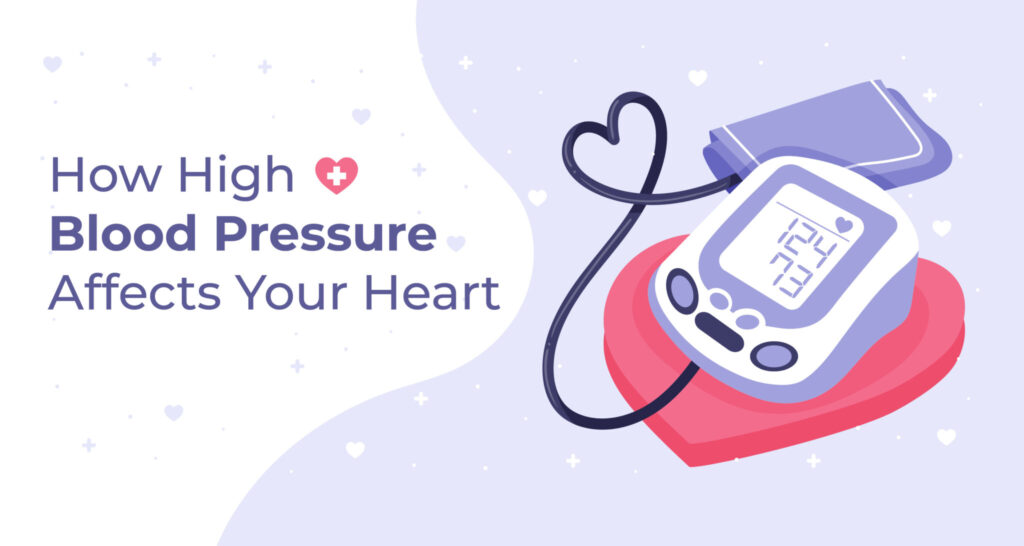
Kidney Care How High Blood Pressure Affects Your Heart 02 November 2023 High blood pressure, or hypertension, is a common and potentially life-threatening condition that affects millions of people worldwide. While it may seem like a minor concern, uncontrolled high blood pressure can have a profound impact on your overall health, especially on your heart. Let us check out the relationship between high blood pressure and heart health, and understand how this condition can lead to serious cardiovascular problems. Hypertension is a Silent Threat High blood pressure often goes unnoticed because it doesn’t always cause noticeable symptoms. This is why it’s often referred to as the “silent killer.” Many people are unaware that they have high blood pressure until they experience a cardiovascular event, such as a heart attack or stroke. Monitoring your blood pressure regularly is crucial, as it allows for early detection and intervention to prevent heart-related complications. High BP Takes a Toll on Your Heart The heart is the powerhouse of our circulatory system, responsible for pumping blood throughout the body. When you have high blood pressure, your heart has to work harder to push blood through your arteries. Over time, this increased workload can take a toll on your heart. The following are some ways high blood pressure can affect your heart: Hypertensive Heart Disease: Persistent high blood pressure can lead to hypertensive heart disease, a condition in which the heart muscle thickens. This thickening can reduce the heart’s ability to pump blood effectively, leading to heart failure. Heart failure occurs when the heart is unable to supply the body with the oxygen and nutrients it needs. Coronary Artery Disease: High blood pressure can damage the inner lining of your arteries, making them more susceptible to the buildup of fatty deposits. This condition, known as atherosclerosis, narrows the arteries and restricts blood flow to the heart muscle. Reduced blood flow can result in chest pain (angina) and, in severe cases, a heart attack. Stroke: Hypertension is a major risk factor for stroke. Elevated blood pressure can damage the small blood vessels in the brain, making them prone to rupture or clot formation. This can lead to a stroke, which can have devastating consequences for the brain and the body. Enlarged Heart: The increased pressure in the arteries can cause the heart’s left ventricle to enlarge. An enlarged heart is less efficient at pumping blood, which can lead to heart failure and arrhythmias (abnormal heart rhythms). Tips to Prevent Heart Complications Fortunately, there are several ways to manage and lower high blood pressure, reducing its impact on your heart. Here are some key steps you can take: Lifestyle Changes: • Maintain a healthy weight through a balanced diet and regular exercise.• Limit your salt intake, as excess salt can lead to high blood pressure.• Reduce alcohol consumption and quit smoking.• Manage stress through relaxation techniques like yoga or meditation. Medications: In some cases, lifestyle changes alone may not be sufficient to control high blood pressure. Your healthcare provider may prescribe medications that can help lower your blood pressure. It’s important to take these medications as directed and get regular check-ups. Regular Check-ups: Regular monitoring of your blood pressure is crucial. Be sure to follow up with your doctor to ensure your treatment plan is effective and to catch any complications early.High blood pressure is a serious threat to your heart health, and it’s essential to address it proactively. By taking steps to control your blood pressure, you can significantly reduce the risk of heart-related complications. Remember that the heart is a remarkable organ, but it can only function at its best when it’s given the care and attention it deserves. At Medifort Wellness Hospital, we provide the most comprehensive heart care programme. With our expert guidance and treatment, you will be able to make positive changes in your life to reduce the risk of heart problems. So, take control of your heart health and reduce the impact of high blood pressure on your heart. Consult our experts today. Share it : Latest Post How kidney disease can impact your body 26 Feb 2026 Heart Health in Summer: Tips to Keep Your Heart Safe from Heatwaves 23 Feb 2026 Best Child Hospital in Bhagalpur for Newborn & Pediatric Care 06 Jan 2026 Blue Baby Syndrome: What Every Parent Needs to Know About This Life-Threatening Condition 24 Nov 2025
Stroke: Strategies for Prevention and Care
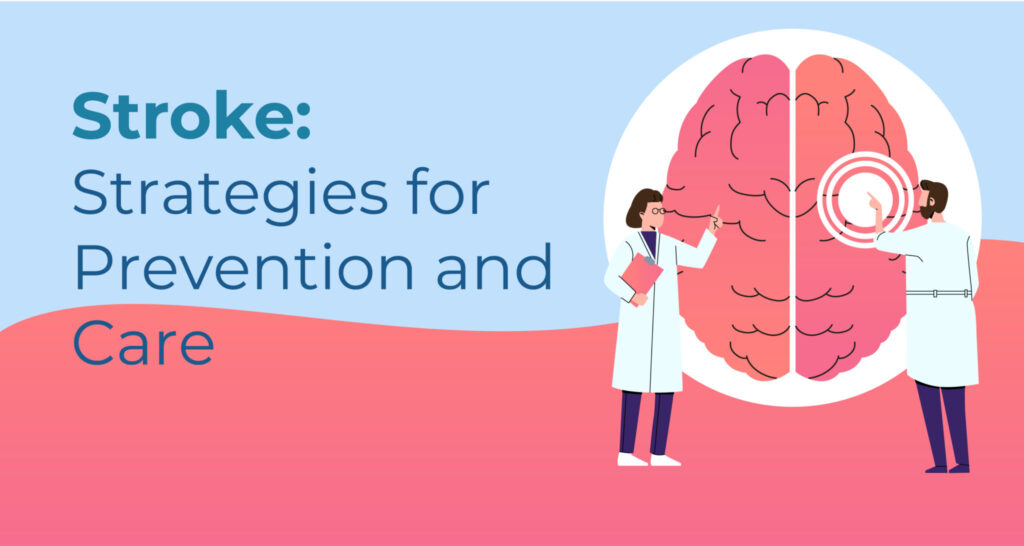
Kidney Care Stroke: Strategies for Prevention and Care 02 November 2023 Stroke is a medical emergency that affects millions of people worldwide, causing devastating consequences for patients and their families. However, the good news is that many strokes are preventable, and timely intervention can significantly improve outcomes. In this blog, we’ll explore the burden of stroke and discuss strategies for both prevention and effective care to reduce its impact. Understanding Stroke Stroke is often referred to as a “brain attack.” It occurs when there is a sudden interruption in the blood supply to the brain, leading to the death of brain cells. There are two main types of strokes: Ischemic Stroke: This is the most common type, accounting for about 87% of all strokes. It occurs when a blood clot blocks an artery that supplies blood to the brain. Haemorrhagic Stroke: This type of stroke occurs when a blood vessel in the brain ruptures and causes bleeding into the brain. The Impact of Stroke The consequences of a stroke can be severe and life-altering. Depending on the location and extent of brain damage, stroke survivors may experience a range of physical, cognitive, and emotional challenges. These may include paralysis, difficulty speaking, memory problems, and depression. The impact of stroke is not only felt by patients but also by their caregivers. Reducing the Burden of Stroke Prevention and timely intervention are the keys to reducing the burden of stroke. Here are some strategies to consider: Know the Risk Factors: Understanding the risk factors for stroke is the first step in prevention. High blood pressure, smoking, diabetes, high cholesterol, and obesity are some of the primary risk factors. By managing these factors through lifestyle changes and medications, the risk of stroke can be significantly reduced. Lifestyle Modifications: Adopting a healthy lifestyle to reduce the risk of stroke. This includes maintaining a balanced diet, engaging in regular physical activity, limiting alcohol consumption, and quitting smoking. These changes can help control blood pressure, cholesterol levels, and weight. Regular Check-ups: Regular medical check-ups are essential for monitoring and managing risk factors. If you have conditions like high blood pressure, diabetes, or heart disease, proper management is crucial to prevent stroke. Medications, when prescribed, should be taken as directed. Awareness and Education: Public awareness campaigns and educational programs can help individuals and communities better understand the signs and symptoms of stroke. Knowledge of the acronym FAST (Face drooping, Arm weakness, Speech difficulty, Time to seek emergency help) can be crucial in recognizing a stroke and seeking immediate medical attention. Emergency Response: Stroke is an emergency. Rapid response is critical to minimizing brain damage. Call an ambulance or rush to a hospital immediately if you suspect someone is having a stroke. The quicker a stroke victim receives appropriate care, such as clot-dissolving medications or other interventions, the better the chances of recovery. Rehabilitation and Support: After a stroke, rehabilitation plays a vital role in recovery. Physical therapy, occupational therapy, and speech therapy can help survivors regain their independence. Emotional support from family, friends, and healthcare professionals is also crucial to the healing process.Stroke is a leading cause of disability and death worldwide, but it is a burden that can be lightened through awareness, prevention, and timely care. By understanding the risk factors, making lifestyle modifications, and taking swift action when a stroke occurs, we can collectively reduce the impact of stroke on individuals, families, and communities.Medifort Wellness Hospital plays a vital role in stroke prevention, treatment and rehabilitation. We not only provide advanced stroke care but also educate the public about the importance of stroke prevention and early intervention. Together, we can make significant strides in reducing the burden of stroke and improving the quality of life for stroke survivors. Share it : Latest Post How kidney disease can impact your body 26 Feb 2026 Heart Health in Summer: Tips to Keep Your Heart Safe from Heatwaves 23 Feb 2026 Best Child Hospital in Bhagalpur for Newborn & Pediatric Care 06 Jan 2026 Blue Baby Syndrome: What Every Parent Needs to Know About This Life-Threatening Condition 24 Nov 2025
Navigating Your Heart and Pregnancy Together

Heart Care Navigating Your Heart and Pregnancy Together 28 September 2023 Pregnancy is a magical journey, and you’re excited to welcome a new life into the world. But if you have heart failure, a condition where your heart struggles to pump blood effectively, it’s essential to understand how it can impact your pregnancy. Let us explore the ins and outs of heart failure and pregnancy, focusing on what you can do to ensure the best possible outcomes for both you and your baby. Understanding Heart Failure Let’s start by talking about heart failure. It’s when your heart can’t do its job properly, and it can make you feel tired, breathless, and cause you to retain fluids. Various things can lead to heart failure, like high blood pressure, heart disease, or heart defects. Managing heart failure is vital for a good quality of life. Pregnancy and Your Heart Pregnancy brings significant changes to your body, especially to your heart. Your blood volume increases, and your heart rate goes up to support your growing baby. While these changes are entirely normal, they can be challenging for women with heart conditions, including heart failure. How Heart Failure Can Affect Pregnancy Pregnancy can make heart failure symptoms worse and create complications that require careful attention. Here’s what you need to know: Increased Blood Volume: Your body makes more blood during pregnancy, which can strain your heart, possibly making heart failure symptoms worse. Heart’s Hard Work: Your heart has to work extra hard to pump blood to your growing baby. This can lead to symptoms like palpitations and shortness of breath. Medication Adjustments: Some heart failure medications may not be safe during pregnancy, so your heart specialist will help you adjust your treatment plan to ensure both you and your baby are safe. Complication Risks: Women with heart failure during pregnancy have a higher risk of complications such as preeclampsia, preterm birth, and low birth weight. Close medical supervision is crucial. Managing Heart Failure During Pregnancy Managing heart failure during pregnancy involves teamwork between healthcare professionals, including cardiologists, obstetricians, and specialized nurses. Here’s what you can expect: Pre-Pregnancy Evaluation Before getting pregnant, you’ll undergo a thorough check-up to identify potential risks and optimize your heart health. Medication Adjustments If needed, your healthcare provider will make changes to your medications to ensure they are safe during pregnancy. Regular Check-ups You’ll have regular check-ups to monitor your heart function and your baby’s growth and well-being. Lifestyle Tweaks It’s important to adopt a heart-healthy lifestyle during pregnancy. This means eating well, getting approved exercise, and managing stress. Delivery Planning Your healthcare team will help you plan the best method and timing for delivery to reduce stress on your heart. Postpartum Care The period after giving birth is critical. You’ll continue to receive support and monitoring to ensure a smooth recovery.Pregnancy is a remarkable journey filled with hope and love. If you have heart failure, you can still have a healthy pregnancy and welcome a healthy baby into the world. Just remember to work closely with your healthcare team, follow their advice, and prioritize your health and well-being.At Medifort Wellness Hospital, we understand the unique challenges of managing heart failure during pregnancy. Our experienced team of cardiologists, obstetricians, and nurses is here to provide you with comprehensive care, support, and guidance. You’re not alone on this incredible journey. We’re here to help you, offering the expertise and care you need to have a happy and healthy pregnancy. Share it : Latest Post How kidney disease can impact your body 26 Feb 2026 Heart Health in Summer: Tips to Keep Your Heart Safe from Heatwaves 23 Feb 2026 Best Child Hospital in Bhagalpur for Newborn & Pediatric Care 06 Jan 2026 Blue Baby Syndrome: What Every Parent Needs to Know About This Life-Threatening Condition 24 Nov 2025
How Kidney Problems Can Affect Your Heart
Heart Care How Kidney Problems Can Affect Your Heart 28 September 2023 You might be surprised to learn that kidney problems and heart issues are connected. Even though these two organs might seem unrelated, they have a significant impact on each other. Here we explain why kidney problems can increase the risk of heart disease. It’s essential to understand this connection to take better care of your health. High Blood Pressure (Hypertension) Your kidneys play a vital role in managing your blood pressure. They help control the volume of blood and electrolyte balance in your body. When your kidneys are not working correctly due to disease, your blood pressure can rise. High blood pressure puts extra stress on your heart, which can increase the risk of conditions like heart attacks and heart failure. Fluid and Electrolyte Imbalance Your kidneys also help maintain a balance of essential electrolytes in your body, like sodium, potassium, and calcium. When kidney disease occurs, this balance can get disrupted. Imbalances can lead to irregular heart rhythms, which can be dangerous. Too much fluid in your body due to kidney problems can also strain your heart, making it harder for it to pump blood effectively. Dyslipidemia Dyslipidemia is a condition where you have abnormal fat levels in your blood, especially abnormal levels of LDL cholesterol and triglycerides. Kidney disease can cause dyslipidemia because your kidneys are involved in processing fats. These abnormal lipid levels can increase your risk of atherosclerosis, the buildup of plaque in your arteries, which can lead to heart attacks and strokes. Inflammation and Oxidative Stress Kidney disease often leads to chronic inflammation and oxidative stress in your body. These issues contribute to the development of atherosclerosis, which is the buildup of plaque in your arteries. Oxidative stress can harm the walls of your blood vessels and promote the formation of arterial plaque, which increases your risk of heart disease. Uremic Toxins As your kidney function decreases, your body may accumulate uremic toxins, waste products that your kidneys would normally filter out. These toxins can be harmful to your cardiovascular system. They can cause your blood vessels to tighten, raising your blood pressure, and they can also harm your heart muscle, possibly leading to heart failure. The relationship between kidney problems and heart disease is quite complex, but understanding it is essential for your health. Kidney issues not only increase your risk of heart disease but can also make heart problems worse. That’s why it’s crucial to look at both your heart and kidneys when you have health concerns. Early diagnosis and personalized treatment plans, including lifestyle changes and medications when needed, can help lower the risks associated with these conditions. At Medifort Wellness Hospital, we’re here to support you. Our team of experienced doctors works together to provide the best care for patients dealing with kidney and heart issues. We focus on early detection, prevention, and personalized treatments to reduce the impact of heart disease on those with kidney problems. Remember, taking care of your heart and kidneys is vital for a long and healthy life, and we’re here to help you every step of the way. Share it : Latest Post How kidney disease can impact your body 26 Feb 2026 Heart Health in Summer: Tips to Keep Your Heart Safe from Heatwaves 23 Feb 2026 Best Child Hospital in Bhagalpur for Newborn & Pediatric Care 06 Jan 2026 Blue Baby Syndrome: What Every Parent Needs to Know About This Life-Threatening Condition 24 Nov 2025
Arrhythmia- What you need to know
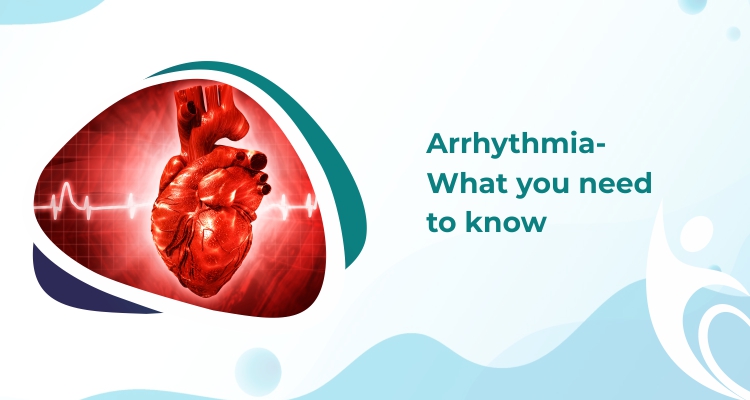
Kidney Care Arrhythmia- What you need to know 01 July 2023 Arrhythmia refers to an abnormal heart rhythm that can disrupt the normal functioning of the heart. It affects millions of people worldwide and can range from harmless irregular heartbeats to life-threatening conditions. In this blog, we will discuss the causes, symptoms, and treatment options for arrhythmia. By gaining a better understanding of this condition, we can take proactive steps to manage it and ensure optimal heart health. Causes of Arrhythmia Arrhythmias can occur due to various factors. Some common causes include coronary artery disease, heart attack, high blood pressure, heart valve disorders, congenital heart defects, thyroid problems, electrolyte imbalances, excessive alcohol or caffeine consumption, and certain medications. Additionally, lifestyle choices such as smoking, stress, and drug abuse can contribute to the development of arrhythmias. Understanding the underlying causes can help in both prevention and effective management of this condition. Symptoms of Arrhythmia Symptoms of arrhythmia may vary from person to person. Some people may not have any noticeable symptoms, while others may have palpitations, a racing or irregular heartbeat, dizziness, light-headedness, fainting episodes, chest pain, shortness of breath, fatigue, or weakness. It is important to pay attention to these warning signs and seek medical help as early as possible. Types of Arrhythmia Arrhythmias can be classified into different types, including atrial fibrillation, ventricular tachycardia, bradycardia, supraventricular tachycardia, and atrial flutter, among others. Each type has specific characteristics and requires customised treatment approaches. If you have any of the symptoms, you will need a thorough medical evaluation, including an electrocardiogram (ECG) and other diagnostic tests, to determine the type of arrhythmia and guide the appropriate treatment strategy. Treatment Options for Arrhythmia Though arrhythmia can be problematic, it can be treated successfully. The treatment of arrhythmia aims to restore a normal heart rhythm, prevent complications, and improve your quality of life. The approach may vary depending on the type and severity of the arrhythmia. Treatment options include lifestyle modifications, medication to control heart rate and rhythm, catheter ablation to eliminate abnormal electrical pathways, implantable devices such as pacemakers or implantable cardioverter-defibrillators (ICDs), and in some cases, surgery. The treatment plan will be personalized to address your specific needs. Living with Arrhythmia If you are living with arrhythmia, you will not only require medical interventions but also lifestyle modifications to manage the condition effectively. You can take certain steps to support your heart health. Maintain a healthy diet, engage in regular physical activity, manage stress levels, quit smoking, limit alcohol and caffeine intake, and follow the prescribed medication regimen. Regular follow-ups with healthcare providers and following treatment plans are crucial for long-term management and prevention of complications. Arrhythmia is a common heart condition that can have a significant impact on your well-being. If you experience any of the symptoms, consult the expert cardiologist at Medifort Wellness Hospital. With the right treatment, we can empower you to take proactive measures to manage arrhythmia effectively. Contact our expert today to live a fulfilling life while keeping arrhythmias under control. Share it : Latest Post How kidney disease can impact your body 26 Feb 2026 Heart Health in Summer: Tips to Keep Your Heart Safe from Heatwaves 23 Feb 2026 Best Child Hospital in Bhagalpur for Newborn & Pediatric Care 06 Jan 2026 Blue Baby Syndrome: What Every Parent Needs to Know About This Life-Threatening Condition 24 Nov 2025
Heart Attack- The Importance of Prompt Action When Every Second Counts

Kidney Care Heart Attack- The Importance of Prompt Action When Every Second Counts 01 July 2023 Heart attack is a serious medical emergency that requires immediate attention. During a heart attack, a block in the coronary arteries restricts blood flow to the heart muscle, leading to tissue damage. The longer the block persists, the longer the heart muscle is deprived of oxygen and nutrients. This will lead to extensive damage of the heart and swift response can mean the difference between life and death. Understanding the symptoms and seeking immediate medical help can save lives and minimize the long-term impact of this life-threatening event. Recognizing the Symptoms One of the first steps in addressing a heart attack is recognizing its symptoms. It is important to be aware of the warning signs, as they can vary from person to person. Chest pain or discomfort is a classic symptom. It is often described as a tightness, pressure, or squeezing sensation in the chest. Other symptoms include shortness of breath, pain or discomfort in the jaw, neck, back, or arm, nausea, light-headedness, or cold sweats. Being aware of these symptoms will help act swiftly when you suspect a heart attack. The Importance of Immediate Action Time is the most critical factor when it comes to a heart attack. Seeking immediate medical attention is essential, as delays can lead to severe consequences. With prompt treatment, you can limit damage to heart muscle, prevent heart failure, decrease the risk of arrhythmia, and prevent a major heart attack in the future. If you experience symptoms suggestive of a heart attack, do not hesitate to call emergency services or go to the nearest cardiac hospital. The faster medical intervention is initiated, the better the outcome can be for the patient. Accessing Specialised Cardiac Care Receiving prompt medical care from a specialized cardiac hospital is crucial for heart attack patients. Medifort Wellness Hospital is equipped with advanced technology, experienced healthcare professionals, and specialized cardiac units that can provide immediate and tailored interventions. From emergency angioplasty to medications and cardiac rehabilitation, we offer a comprehensive range of treatments that can significantly improve chances of survival and long-term recovery. The Role of Early Intervention Early intervention is key in managing a heart attack effectively. Upon arrival at our hospital, the medical team will quickly assess the situation, initiate necessary tests, and provide appropriate interventions. Timely measures such as administering clot-busting medications or performing emergency angioplasty will restore blood flow to the blocked artery, minimizing the extent of damage to the heart muscle. The sooner these interventions are performed, the better the results will be. Prevention of Heart Attacks While immediate action is crucial during a heart attack, prevention is equally important. Adopting a heart-healthy lifestyle, including regular exercise, a balanced diet, managing stress, and avoiding smoking, can significantly reduce the risk of heart disease. Understanding the warning signs, risk factors, and seeking regular medical check-ups are vital steps towards maintaining a healthy heart. A heart attack requires immediate treatment in a specialised cardiac care hospital. If you or anyone you know experience symptoms of heart attack, rush to our hospital for the most advanced treatment options. To prevent heart attacks and maintain heart health, consult our cardiologists for preventive heart check-ups. Life your life fully. Share it : Latest Post How kidney disease can impact your body 26 Feb 2026 Heart Health in Summer: Tips to Keep Your Heart Safe from Heatwaves 23 Feb 2026 Best Child Hospital in Bhagalpur for Newborn & Pediatric Care 06 Jan 2026 Blue Baby Syndrome: What Every Parent Needs to Know About This Life-Threatening Condition 24 Nov 2025
The Importance of Cardiac Check-ups and What They Can Do for You
Kidney Care The Importance of Cardiac Check-ups and What They Can Do for You 03 June 2023 In a world where heart disease continues to be a leading cause of death, taking care of our cardiovascular health has become more critical than ever. Regular cardiac check-ups play a pivotal role in early detection, prevention, and management of heart-related conditions. This blog explores the significance of cardiac check-ups, their role in maintaining a healthy heart, and the essential services provided by cardiac specialty hospitals such as Medifort Wellness Hospital. Early Detection for Effective Intervention Cardiovascular diseases are often silent, with symptoms appearing only when the condition has advanced. Routine cardiac check-ups can help identify potential risk factors and detect early signs of heart disease, enabling timely intervention.As a cardiac specialty hospital, Medifort Wellness Hospital, offers comprehensive screenings, that can assess crucial factors like blood pressure, cholesterol levels, blood sugar, and body mass index (BMI). Such evaluations provide vital information about your cardiovascular health. They also give our healthcare professionals the power to design personalized treatment plans and lifestyle modifications, and prescribe necessary medications to manage or diminish potential risks. Prevention and Risk Assessment Cardiac check-ups are not limited to individuals experiencing heart-related symptoms. They are equally important for those who wish to prevent heart disease or assess their risk factors.We are equipped with state-of-the-art diagnostic tools that can evaluate the heart’s condition and assess risks accurately. We offer comprehensive risk assessment services, including genetic testing, stress tests, electrocardiograms (ECGs), and echocardiograms. By identifying risk factors early on, you can make informed decisions about lifestyle changes, diet modifications, exercise routines, and stress management, significantly reducing the likelihood of cardiovascular complications. Monitoring Chronic Conditions If you already have a heart condition or have undergone cardiac procedures, regular check-ups are even more critical. We provide specialized follow-up care, monitor your progress, and ensure that treatments and medications are effective.Regular check-ups allow our healthcare professionals to detect any changes, adjust treatment plans, and address emerging concerns promptly. Through close monitoring, we strive to improve your quality of life, prevent disease progression, and minimize the risk of complications. Comprehensive Consultations Beyond the diagnostic tests and monitoring, cardiac check-ups offer an opportunity for you to have comprehensive consultations with cardiovascular specialists. Our experts play a crucial role in educating patients about risk factors, symptom recognition, emergency response, and the importance of adhering to prescribed treatments. Such consultations promote a proactive approach towards cardiovascular health, and will empower you to take charge of your well-being. Collaboration and Holistic Care As a cardiac specialty hospital, our team encompasses multidisciplinary healthcare professionals, including cardiologists, cardiovascular surgeons, nurses, and support staff. Their collective expertise ensures that you receive comprehensive, holistic care. Cardiac check-ups facilitate collaboration among these professionals, allowing for seamless communication, coordination, and efficient decision-making. This collaborative approach ensures that you receive personalized care, tailored to your unique needs and medical history, resulting in improved outcomes and enhanced satisfaction. The significance of cardiac check-ups cannot be overstated. From early detection and prevention to monitoring chronic conditions and fostering patient education, these check-ups serve as a lifeline for your heart health. By embracing regular cardiac check-ups, we can pave the way towards a healthier heart, a better quality of life, and a brighter future for ourselves and our loved ones. Contact us to schedule an appointment. Start your journey towards heart health. Share it : Latest Post How kidney disease can impact your body 26 Feb 2026 Heart Health in Summer: Tips to Keep Your Heart Safe from Heatwaves 23 Feb 2026 Best Child Hospital in Bhagalpur for Newborn & Pediatric Care 06 Jan 2026 Blue Baby Syndrome: What Every Parent Needs to Know About This Life-Threatening Condition 24 Nov 2025
Why You Need Cardiac Specialty Hospitals for Life Affecting Cardiac Problems

Kidney Care Why You Need Cardiac Specialty Hospitals for Life Affecting Cardiac Problems 03 June 2023 If you are dealing with cardiac issues, you will know how tough it can be. The impact they have on your life, from physical limitations to emotional burdens, are not easy to handle. That’s why we, as a cardiac specialty hospital, are here for you. In this blog, let’s explore how we can provide the care and support you need to face and overcome the challenges you face. Understanding the Burden of Cardiac Issues Living with cardiac issues can be overwhelming. It’s not just about the physical limitations like reduced ability to exercise, breathlessness, and fatigue that can hold you back from enjoying everyday activities.It’s also the emotional and psychological challenges that come with it—feelings of anxiety, depression, and fear of sudden cardiac events. These burdens can affect your overall well-being, and we’re here to help you manage and beat them. Comprehensive Care for Complex Conditions At Medifort Wellness Hospital, we specialize in the diagnosis, treatment, and management of complex cardiac conditions. We have a dedicated team of healthcare professionals who are experts in the field of cardiology and, understand the intricacies of cardiac issues and the impact they have on your life.We offer a range of services, including advanced cardiac surgeries, interventional procedures, electrophysiology studies, and rehabilitation programs—all aimed at providing you with comprehensive care tailored to your specific needs. Cutting-Edge Treatments and Interventions We stay at the forefront of medical advancements to ensure you receive the best care possible. Our hospital is equipped with cutting-edge technologies and offers innovative treatments and interventions for cardiac issues.Whether it’s minimally invasive procedures like angioplasty and stenting or complex heart surgeries, we provide you with the most advanced and effective options available. Our goal is to optimize your outcomes and help you regain your health. Rehabilitation and Support Programs We know that recovery extends beyond medical interventions. That’s why we offer comprehensive rehabilitation and support programs. Our cardiac rehabilitation programs focus not only on physical recovery but also on emotional well-being.We offer exercise training, nutritional counselling, stress management, and psychological support, to help you regain your strength, confidence, and overall quality of life. We’re here to support you every step of the way on your road to regaining heart health. Patient Education and Empowerment You are at the centre of your care, and we want to empower you with knowledge and resources. Our hospital prioritizes patient education to help you make informed decisions about your health. We provide information about your condition, treatment options, and lifestyle modifications.We provide educational programs, workshops, and one-on-one consultations, to ensure that you have the knowledge and tools to actively participate in your cardiac health. Together, we can achieve better self-care and long-term outcomes. Supporting Emotional Well-being Dealing with cardiac issues can take a toll on your emotional well-being. That’s why we offer support beyond medical treatments. Our hospital provides access to counselling services, support groups, and psychological interventions. We want to create a safe space for you and your loved ones to share your concerns, seek guidance, and find comfort in connecting with others who understand what you’re going through. Your emotional well-being matters to us. Living with cardiac issues can be challenging, but you don’t have to face it alone. Medifort Wellness Hospital is here to support you through the ups and downs. From comprehensive care and cutting-edge treatments to rehabilitation programs, patient education, and emotional support, we are committed to helping you navigate the challenges and regain control over your life. Together, let’s embrace a healthier future and improve your overall well-being. Contact us for further information, clarification and consultation with our experts. Share it : Latest Post How kidney disease can impact your body 26 Feb 2026 Heart Health in Summer: Tips to Keep Your Heart Safe from Heatwaves 23 Feb 2026 Best Child Hospital in Bhagalpur for Newborn & Pediatric Care 06 Jan 2026 Blue Baby Syndrome: What Every Parent Needs to Know About This Life-Threatening Condition 24 Nov 2025